







Shopping Cart
There are no more items in your cart





Why Full Body Coverage Changes Everything
There is a significant difference between applying red light therapy to a targeted area and bathing your entire body in therapeutic wavelengths. Targeted treatment is enormously valuable — and for specific conditions like localised pain or a particular patch of skin, it's often the right approach. But the human body is a system, not a collection of isolated parts. Every organ, tissue, and cell in your body contains mitochondria. Every biological process from immune function to hormonal regulation to cellular repair benefits from the kind of ATP optimisation that photobiomodulation provides. Full body red light therapy takes this systemic perspective seriously — and delivers correspondingly systemic results.
Full body sessions allow therapeutic light to reach not just the skin and superficial tissues, but the muscles, fascia, lymphatic vessels, and even peripheral nerve structures across the entire body. Users who upgrade from targeted to full body therapy consistently report a qualitative shift in their experience — a sense of whole-body vitality and recovery that simply isn't achievable when only part of the system is being treated.
Panels, Mats, and Blankets: The Full Body Device Landscape
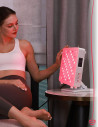
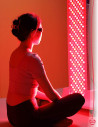
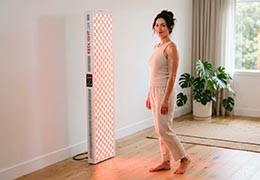
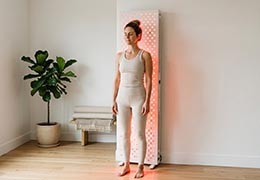
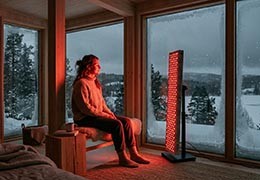
Full body red light therapy is delivered through several distinct device formats, each with its own strengths. Large vertical panels — typically two to four feet tall and positioned at a standing distance — are the most powerful and clinically relevant option, delivering high irradiance (mW/cm²) across the front or back of the body in a single session. For full front-and-back coverage, users position themselves in front of the panel for one session, then turn around for equal treatment of the posterior surface. High-end panels like the RedLightLux Mega or Ultimate offer sufficient power output to deliver a meaningful therapeutic dose across a large surface area in ten to twenty minutes.
Red light therapy mats — flexible, full-length panels that lie flat — allow simultaneous treatment of the entire posterior chain: back, glutes, hamstrings, and calves. These are particularly popular for recovery-focused users who want to treat large muscle groups while lying down after training. Infrared sauna blankets take a wrapping approach, enveloping the body in near-infrared warmth that combines photobiomodulation with the circulatory and detoxification benefits of mild thermal stress. Each format suits different use cases, and the best full body setup often combines a standing panel with a mat or blanket for comprehensive front-and-back coverage.
The Systemic Benefits of Whole-Body Light Therapy
When you treat the whole body rather than isolated areas, the range of benefits expands considerably. Systemic improvements in ATP production mean more cellular energy available for every biological process — from digestion to immune response to hormonal synthesis. Full body sessions have been associated with improvements in systemic inflammation markers, cardiovascular function (through bodywide nitric oxide stimulation), lymphatic drainage, and overall energy levels.
Sleep quality, mood, and cognitive clarity are frequently reported to improve with regular full body therapy — outcomes that are harder to explain through localised cellular effects alone but make perfect sense when you consider that the entire nervous system, including the brain (via near-infrared penetration through the skull), is receiving therapeutic light simultaneously. Many users describe the subjective experience of full body sessions as profoundly restorative — more akin to an hour of deep sleep than a typical wellness treatment.
Setting Up a Home Full Body Therapy Space
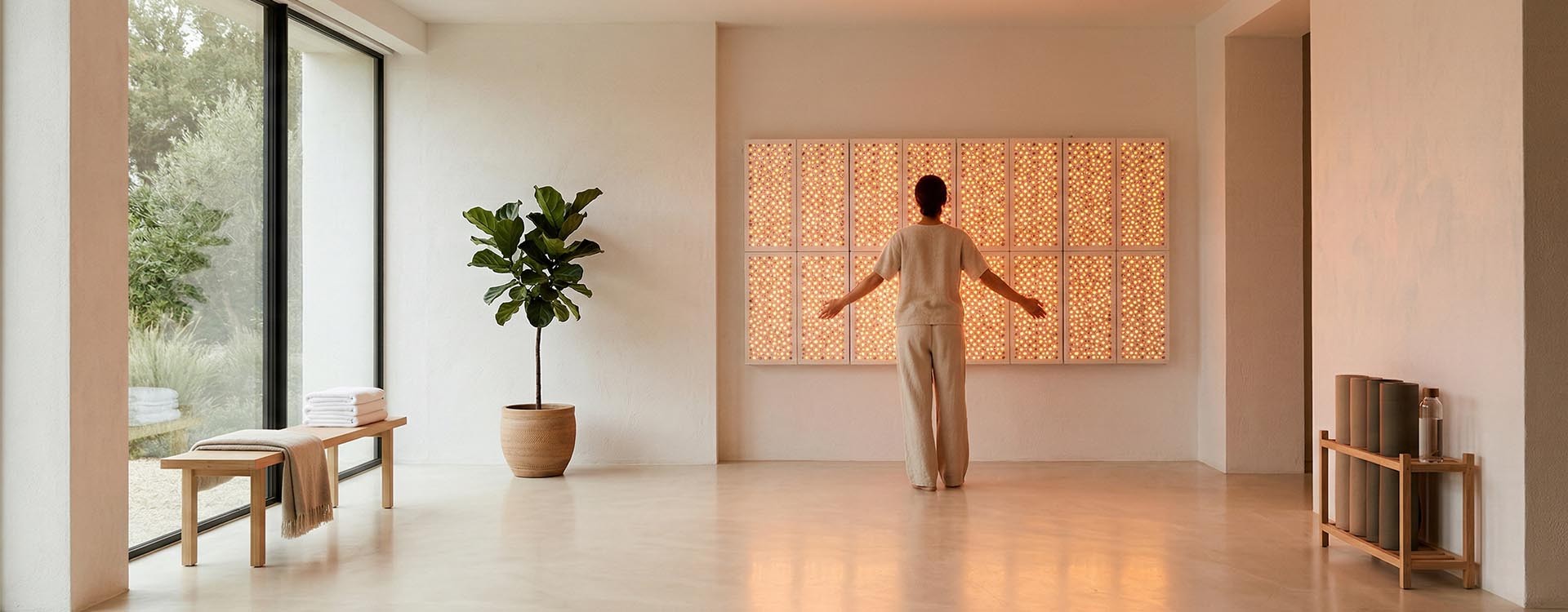
Creating an effective full body red light therapy setup at home is more achievable than most people expect. A dedicated space of approximately two by three metres is sufficient for a standing panel setup with comfortable positioning. The panel is typically hung on a wall or suspended from a door frame at a height suited to your standing position, allowing you to treat your torso, face, and legs in sequence within a single session. A rubber-backed mat on the floor provides both comfort and reflective surface benefits.
Safety considerations for a full body setup are straightforward but important: always use appropriate eye protection (NIR-blocking goggles), ensure the device is mounted securely, and follow manufacturer guidelines for minimum safe operating distances. For whole-body coverage with high-power devices, five to fifteen minutes per treatment surface — front and back — represents a typical therapeutic dose, though individual protocols should be adjusted based on device irradiance, skin type, and specific health goals. The return on investment in a quality full body setup, when measured against the cumulative cost of clinical treatments and the breadth of conditions it addresses, is genuinely compelling.
How Often Should You Do Full Body Red Light Sessions?
Frequency guidelines for full body red light therapy depend on your goals and current state of health. For general wellness maintenance and optimisation, three to four sessions per week is a well-supported starting protocol that delivers cumulative benefits without risk of overdosage. For acute recovery needs — post-surgery, heavy training phases, or periods of high stress and inflammation — daily sessions are appropriate and safe for most healthy adults.
The concept of hormetic dosing is useful here: like exercise, red light therapy provides the greatest benefit when applied consistently at an appropriate dose, with the body adapting upward in response to each stimulus. Too little provides minimal stimulus; too much can produce diminishing returns. Most full body users settle into a rhythm of daily or near-daily sessions over time, treating it as they would any other foundational wellness practice — not as a temporary intervention, but as an ongoing investment in the quality and longevity of their health.