







Shopping Cart
There are no more items in your cart






The Surprising Science of Light and Hair Follicles
Hair loss is one of the most psychologically impactful health concerns people face — and one of the least effectively addressed by conventional medicine. Standard pharmaceutical treatments carry significant side effects, and surgical options are expensive, invasive, and permanent in their approach. Against this backdrop, red light therapy has emerged as a genuinely promising, scientifically supported alternative that works not by suppressing hormones or transplanting follicles, but by revitalising the biological environment in which hair grows.
The hair follicle, it turns out, is exquisitely responsive to light. Follicular cells contain large numbers of mitochondria — making them among the most metabolically active structures in the body, and precisely the kind of tissue that responds most powerfully to photobiomodulation. When red light (typically 630–660nm) is applied to the scalp, it stimulates the mitochondria within follicular cells, boosting their ATP production and shifting hair follicles from the resting (telogen) phase of the growth cycle back into the active growing (anagen) phase.
What the Research Actually Says About Red Light and Hair Growth
The evidence base for red light therapy as a hair growth intervention is more robust than many people realise. The FDA has cleared multiple low-level laser therapy (LLLT) devices for the treatment of androgenetic alopecia — the most common form of pattern hair loss in both men and women — on the basis of clinical trial evidence. A 2014 study published in the American Journal of Clinical Dermatology found that men using LLLT devices experienced a 39% increase in hair growth compared to a sham device control group. Similar results have been replicated in female hair loss populations.
The mechanism involves not just follicular energy production, but also improved scalp circulation — nitric oxide released in response to NIR light dilates blood vessels in the scalp, delivering more nutrients and oxygen to follicles that have been progressively starved of the biological support they need to sustain hair growth. This dual action — energising follicular cells from within while improving their external nutrient supply — makes red light therapy a genuinely multi-mechanism approach to combat hair loss.
Androgenetic Alopecia, Alopecia Areata, and Beyond
Different types of hair loss respond differently to red light therapy, and understanding this distinction helps set realistic expectations. Androgenetic alopecia — male and female pattern baldness driven by DHT sensitivity in follicles — is the condition with the strongest evidence base for photobiomodulation treatment. Red light therapy cannot reverse genetic sensitivity to DHT, but it can maintain follicular health, extend the anagen growth phase, and slow the progressive miniaturisation of affected follicles.
Alopecia areata, an autoimmune condition in which the immune system attacks hair follicles, is a more complex target. Preliminary research suggests that red light therapy's anti-inflammatory and immune-modulating effects may be beneficial, but evidence is less established than for androgenetic alopecia. For hair loss driven by nutritional deficiencies, stress, postpartum hormonal shifts, or scalp inflammation, red light therapy addresses several of the contributing biological mechanisms and is often highly effective as part of a comprehensive hair health strategy.
Devices, Protocols, and Realistic Timelines
Consistency and patience are the defining requirements of red light therapy for hair growth. Unlike topical treatments that may show early results, photobiomodulation works by gradually rehabilitating the follicular environment — a process that unfolds over months, not weeks. Most users begin to notice reduced shedding and improved scalp health within eight to twelve weeks of regular treatment. Visible new hair growth typically becomes apparent between four and six months, with continued improvement over the following six months to a year.
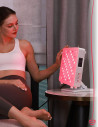
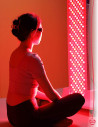
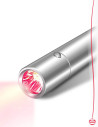
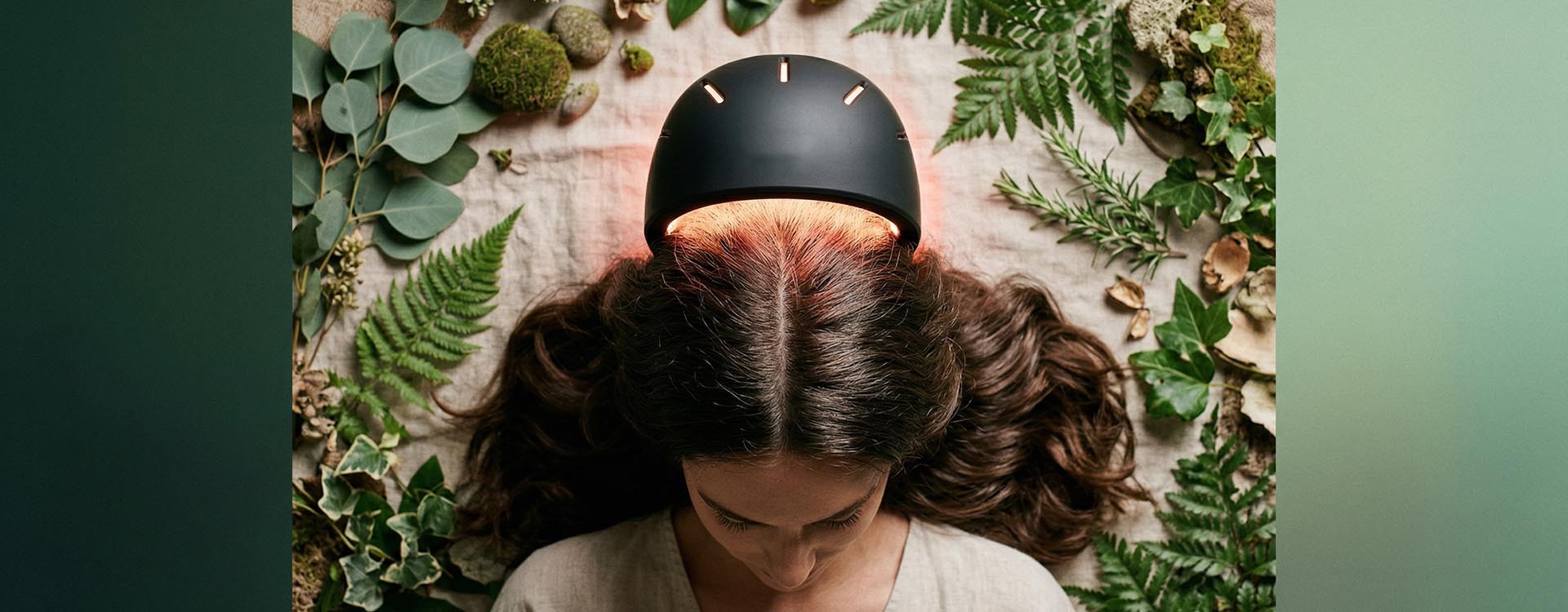
Devices designed specifically for scalp use — including laser helmets, LED scalp caps, and handheld wands with targeted heads — allow convenient treatment of the entire scalp or specific thinning areas. For those using panel devices, positioning the top of the head at the correct distance from the panel and using parted hair to maximise light penetration to the scalp are practical techniques that improve treatment efficacy. A frequency of four to five sessions per week, each lasting fifteen to twenty minutes, represents a good starting protocol for most hair loss conditions.
Combining Red Light Therapy with a Comprehensive Hair Health Strategy
Red light therapy is most powerful when positioned as one component of a broader hair health approach. Scalp massage, which improves blood flow and follicular stimulation, synergises naturally with red light treatment — many users perform gentle massage during or immediately after their light sessions. Optimising nutritional factors — particularly iron, zinc, biotin, and protein intake — removes deficiency-related obstacles to follicular health. Managing chronic stress, which elevates cortisol and can trigger telogen effluvium (stress-related shedding), is equally important.
For those exploring pharmaceutical options alongside natural approaches, red light therapy is generally compatible with most topical treatments and has no known interactions with minoxidil or finasteride. The overall picture is one of a genuinely useful, low-risk tool that deserves a central place in any serious hair restoration strategy — whether you're in the early stages of hair thinning or working to maintain the results of more intensive interventions.