







Shopping Cart
There are no more items in your cart







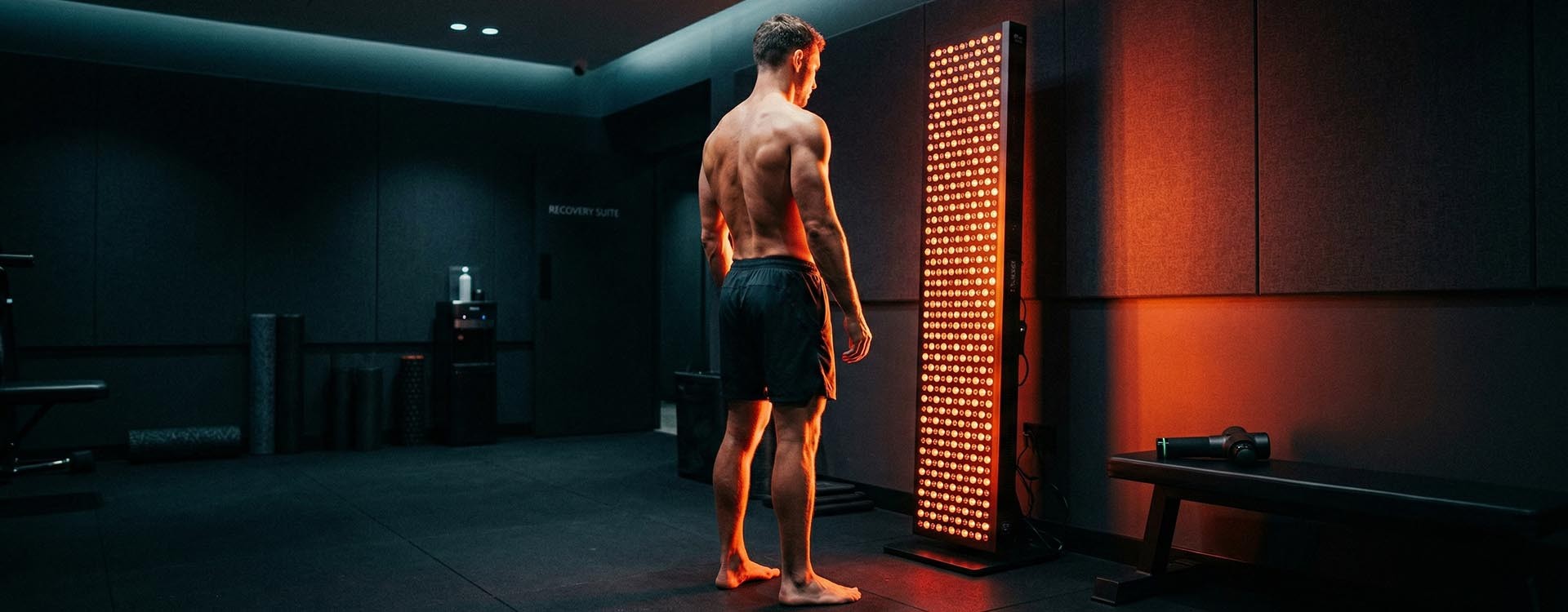
The Athlete's Secret Weapon: Why Red Light Therapy Is Going Mainstream in Sport
From elite professional athletes to serious weekend warriors, red light therapy is rapidly earning a place in the recovery toolkit of people who demand the most from their bodies. What was once confined to sports medicine clinics and professional training facilities is now accessible at home — and the performance implications are significant. Red light therapy doesn't just help you feel better after a hard session. Used strategically, it can fundamentally change how fast your body recovers, how effectively it adapts to training, and how long your athletic career can be sustained.
The science is compelling. A 2016 meta-analysis published in the European Journal of Sport Science reviewed multiple randomised controlled trials and concluded that photobiomodulation therapy significantly improves muscle recovery, reduces exercise-induced muscle damage markers, and enhances subsequent athletic performance. These are not marginal gains — they are the kind of measurable improvements that serious athletes spend fortunes chasing through supplements, specialised nutrition, and sophisticated training technology.
How Red Light Accelerates Muscle Recovery at the Cellular Level
Exercise-induced muscle damage is a natural and necessary part of getting stronger — but the speed at which your body repairs that damage determines how quickly you can train again and how effectively you adapt. This is where red light therapy delivers its most dramatic athletic benefits.
When near-infrared light (850nm) penetrates deep into muscle tissue, it stimulates mitochondrial ATP production in the muscle fibres themselves — giving them the energy substrate needed for rapid repair. Simultaneously, it reduces the inflammatory cascade triggered by exercise: creatine kinase levels (a key marker of muscle damage) drop faster, delayed-onset muscle soreness (DOMS) is significantly reduced, and the muscle fibres return to full contractile function more quickly. Nitric oxide release improves local blood flow, accelerating the delivery of amino acids and oxygen to damaged tissues. The net result is measurably faster recovery — typically by 24 to 48 hours compared to no treatment.
Pre-Workout vs. Post-Workout: When Should You Use Red Light?
Timing matters in red light therapy for athletic performance, and the research supports a nuanced approach. Post-workout application is the most widely studied protocol: applying red and near-infrared light to fatigued muscles immediately after training helps clear metabolic waste products, reduce inflammation, and kickstart the repair process at a time when muscles are most metabolically active and receptive to healing signals.
Pre-workout application, however, is also showing significant promise. Applying NIR light to muscles before exercise appears to reduce subsequent exercise-induced damage — essentially conditioning the muscle mitochondria to handle higher training loads more efficiently. Some elite sports science programmes now incorporate pre-workout photobiomodulation as a priming strategy, particularly before high-intensity or heavy-load sessions. The emerging consensus is that both timings offer distinct but complementary benefits, and athletes who are serious about performance optimisation may benefit from incorporating red light therapy at both points in their training day.
From Soreness to Strength: The Broader Performance Benefits
The benefits of red light therapy for athletes extend well beyond managing post-workout soreness. Strength gains, endurance capacity, and power output have all been measured as outcomes in photobiomodulation research. A study published in Lasers in Medical Science found that athletes receiving pre-exercise NIR treatment demonstrated significantly greater increases in strength and endurance compared to a control group — suggesting that the cellular energy boost from photobiomodulation translates into measurable performance gains, not just faster recovery.
Injury prevention is another critically underappreciated benefit. By keeping muscles better oxygenated, tendons more resilient, and inflammatory responses better regulated, regular red light therapy may reduce the cumulative micro-damage that eventually leads to overuse injuries. For athletes whose careers or training progression depend on staying healthy and consistent, this protective effect may ultimately be the most valuable benefit of all.
Integrating Red Light Therapy Into Your Training Life
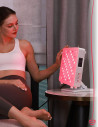
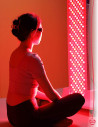
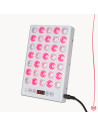
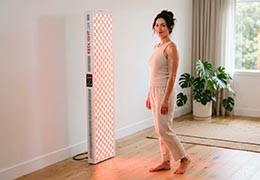
The practical integration of red light therapy into an athletic routine is straightforward. A full-body panel positioned at the recommended distance covers large muscle groups efficiently in a single session, making it ideal for post-leg-day or post-full-body training recovery. Targeted devices — belts, wands, and portable panels — allow precise application to specific muscles or joints that have taken particular strain. For athletes who travel frequently, portable near-infrared devices make it possible to maintain a recovery routine anywhere in the world.
Most athletes benefit from daily or near-daily use during periods of heavy training, scaling back to three or four sessions per week during lighter training phases or deload weeks. The investment in consistent red light therapy is not simply a recovery tool — it is a long-term investment in athletic longevity, performance consistency, and the capacity to train harder, more frequently, and with greater confidence in your body's ability to respond and adapt.