





Shopping Cart
There are no more items in your cart









Why Your Skin Is the Perfect Candidate for Light Therapy
Your skin is the largest organ in your body — and one of the most light-responsive. Every layer of it, from the epidermis to the deeper dermis, contains cells equipped with chromophores that absorb and respond to specific wavelengths of light. Red light therapy, operating in the 630–660nm range, is absorbed with exceptional efficiency by the skin's fibroblasts — the specialist cells responsible for producing collagen and elastin, the two structural proteins that keep skin firm, smooth, and youthful.
The result is a natural, non-invasive approach to skin rejuvenation that works with your biology rather than against it. Unlike chemical peels, laser resurfacing, or injectables, red light therapy doesn't damage the skin to force a healing response. It simply provides the cellular fuel your fibroblasts need to do their job more effectively. It is, in every sense, light therapy for collagen production — and the science backing it up is extensive.
The Collagen Connection: How Red Light Fights Aging at the Source
Collagen loss begins in your mid-twenties and accelerates with each passing decade, compounded by UV exposure, poor sleep, stress, and environmental pollution. By your forties, the structural scaffolding beneath your skin has thinned considerably, and the surface effects — fine lines, wrinkles, sagging, and loss of volume — become increasingly visible.
Red light therapy intervenes at the root of this process. When 660nm red light penetrates the dermis, it stimulates fibroblast activity and upregulates the genes responsible for collagen and elastin synthesis. Multiple peer-reviewed studies, including research published in the Journal of Photochemistry and Photobiology, have confirmed that regular red light therapy sessions measurably increase skin collagen density, reduce wrinkle depth, and improve overall skin texture. This is not cosmetic masking — it is genuine cellular regeneration happening below the surface of your skin.
Beyond Wrinkles: The Full Spectrum of Skin Benefits
While anti-aging is the headline benefit, red light therapy offers a remarkably broad range of skin improvements. Acne sufferers benefit from the therapy's anti-inflammatory effects: red light reduces the activity of sebaceous glands, calms inflammatory pathways, and accelerates the healing of active breakouts without the dryness or sensitivity associated with topical treatments. Those dealing with hyperpigmentation and uneven skin tone find that regular sessions help regulate melanin production and fade dark spots over time.
Red light therapy is also highly effective for addressing sun damage — reversing some of the cellular effects of chronic UV exposure by promoting DNA repair mechanisms and reducing oxidative stress in skin cells. People with dry or sensitive skin, including those dealing with conditions like perioral dermatitis, often find that red light therapy reduces redness, soothes irritation, and improves the skin's moisture barrier. Even post-procedure recovery — whether after microneedling, BBL treatments, botox, or dermal fillers — can be accelerated with carefully timed red light sessions.
LED Masks, Panels, and Wands: Choosing the Right Device for Your Face
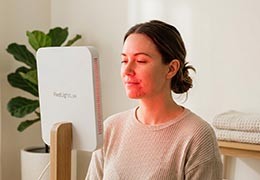
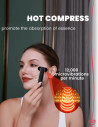
The market for facial red light therapy devices has exploded in recent years, ranging from simple handheld wands to full-face LED masks and large panel systems. Each format has its merits. LED masks offer convenience and hands-free treatment of the entire face simultaneously, making them excellent for daily skincare routines. Face wands allow targeted, precise treatment of specific areas — a particularly useful feature for spot-treating blemishes or concentrating treatment around the eyes and mouth, where signs of aging tend to appear first.
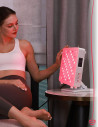
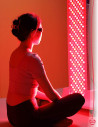
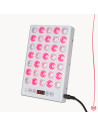
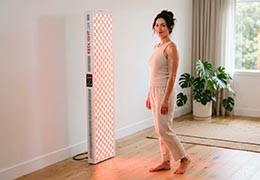
For those seeking the most comprehensive results, a quality panel device — positioned at the correct distance for optimal irradiance — provides the highest power output and the most clinically relevant light dose. Whatever device you choose, the key specifications to look for are verified wavelengths in the 630–660nm range (and ideally 850nm for deeper effects), adequate irradiance measured in mW/cm², and flicker-free LEDs to protect your eyes during extended sessions.
Building a Consistent Anti-Aging Routine with Red Light
Consistency is the secret ingredient in red light therapy for skin. Unlike injectables that produce immediate results, photobiomodulation works cumulatively — each session builds on the last, gradually increasing collagen density, improving cellular function, and rebalancing the skin's internal processes. Most users begin to notice improvements in skin texture and radiance within four to six weeks of regular use. More significant structural changes — reduced wrinkle depth, improved firmness, more even tone — typically emerge over a twelve-to-twenty-four week period of consistent use.
Combining red light therapy with a thoughtfully chosen skincare routine amplifies results considerably. Applying high-quality serums — particularly those containing hyaluronic acid, vitamin C, or peptides — immediately before or after a session can enhance their absorption and efficacy, as the increased cellular activity following light exposure creates an ideal environment for active ingredient uptake. This is the kind of synergy that makes red light therapy not just a standalone treatment, but a transformative cornerstone of a modern, science-informed skincare approach.