







Shopping Cart
There are no more items in your cart



The Rise of On-the-Go Photobiomodulation
One of the most consistent barriers to wellness consistency is the inconvenience of the practice itself. Even the most effective health intervention fails when it doesn't fit into real life — and real life involves travel, irregular schedules, office environments, and the relentless competition for time between work, family, exercise, and sleep. Portable and wearable red light therapy devices have emerged as a direct solution to this problem, making it possible to maintain a consistent photobiomodulation practice regardless of where you are or what your day looks like.
The miniaturisation of LED technology, combined with advances in battery efficiency and flexible circuit design, has produced a new generation of portable and wearable devices that deliver genuinely therapeutic wavelengths and irradiance levels in formats small enough to fit in a hand luggage bag, wear under clothing, or use discreetly at a desk. This isn't a compromise category — for many targeted applications, portable and wearable devices are not just convenient but optimal.
Wearable Therapy Belts and Targeted Treatment Devices
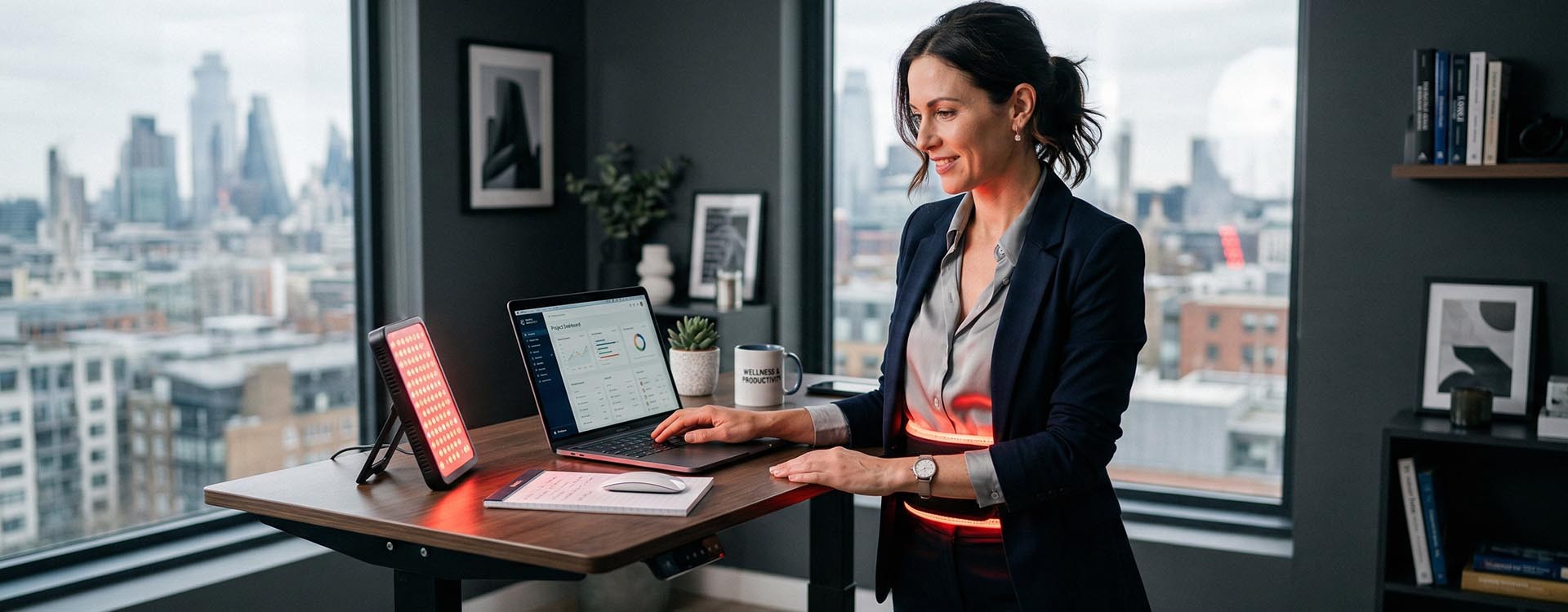
Wearable red light therapy belts represent one of the most practically valuable categories in the portable device market. Designed to wrap around specific body areas — lower back, abdomen, shoulder, knee, or hip — these flexible, LED-embedded devices deliver near-infrared light directly to the target tissue, hands-free and while the wearer continues their normal activities. For someone managing chronic lower back pain, wearing an NIR therapy belt during a morning commute or an afternoon at a desk can deliver a meaningful therapeutic dose without requiring any dedicated treatment time.
The therapeutic relevance of wearable belts extends to recovery applications: athletes using belts on specific muscle groups or joints immediately after training can initiate the photobiomodulation recovery process during the post-workout period rather than waiting until they reach their home panel. This timing advantage — applying therapeutic light in the immediate post-exercise window when muscle cells are most metabolically active and responsive — may meaningfully enhance recovery outcomes compared to delayed treatment. The RedLightLux Red Light Therapy Belt, for example, provides this kind of targeted, continuous treatment in a format that integrates seamlessly into daily life.
Portable Panels and Travel-Ready Solutions
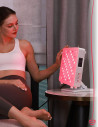
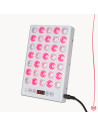
For users who travel regularly but want to maintain the power output and coverage area of a larger device, compact portable panels offer the best compromise between performance and portability. These devices — typically 15×20cm to 30×40cm — fold flat for packing, operate via standard power outlets or in some cases USB-C power banks, and deliver the verified wavelengths and irradiance levels of their full-size counterparts across a more limited coverage area. A portable panel placed on a hotel room desk during an evening work session, or used for targeted treatment of a sore muscle during a business trip, keeps the recovery and wellness routine on track regardless of location.
Travel-focused red light therapy users should look for devices that support international voltage standards (100–240V, 50–60Hz), are compact enough to meet carry-on luggage requirements, and come with documented EMF and safety certifications. These specifications ensure that your device will work reliably in any country and won't cause issues at airport security. The growing category of dual-use devices — compact enough to pack but powerful enough to function as a primary device at home — represents the sweet spot for frequent travellers who don't want to maintain separate home and travel setups.
Office and Daily Life Integration
One of the most underexplored opportunities in red light therapy is the integration of therapeutic light into everyday environments rather than dedicated wellness sessions. A compact red or near-infrared panel positioned at desk height during morning work hours can deliver a meaningful dose of therapeutic light to the face, neck, and upper body passively — without requiring any specific session time. This approach mirrors the way our ancestors would have received low-level red and near-infrared sunlight during outdoor activities, as a background component of daily life rather than a discrete medical treatment.
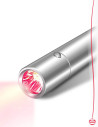
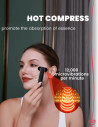
Handheld wand devices are particularly well-suited to office use: discreet enough to use at a standing desk, targeted enough to treat specific areas of neck or shoulder tension that accumulate during sedentary work, and compact enough to keep in a desk drawer without occupying meaningful space. The concept of a "light diet" — ensuring your biology receives adequate therapeutic wavelength exposure throughout the day, not just during dedicated evening sessions — is increasingly embraced by those who are serious about optimising their photobiomodulation practice for maximum cumulative benefit.
Choosing the Right Portable Device for Your Lifestyle
The selection of a portable or wearable red light therapy device should be guided primarily by use case rather than form factor preference. For targeted pain relief and passive treatment during activity, a wearable belt or targeted wrap is the optimal choice. For travel-compatible full-face or muscle group treatment, a compact foldable panel or high-quality handheld device offers the best performance-to-portability ratio. For supplementary office and daily life use, a compact desktop device or handheld wand provides practical, consistent low-level exposure that accumulates meaningfully over time.
The most important specifications apply equally to portable and fixed devices: verified wavelengths in the 630–850nm therapeutic range, sufficient irradiance at treatment distance (independently measured), low EMF emissions, flicker-free LEDs, and appropriate safety certifications. Size and portability are secondary considerations — the device that travels with you must still work in the way a good device works, or its convenience is irrelevant. The best portable setup is the one that fits your life so naturally that you actually use it every day — because in photobiomodulation, as in all biological interventions, consistency over time is what transforms modest sessions into transformative results.