








Shopping Cart
There are no more items in your cart





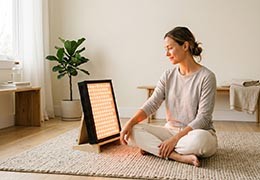
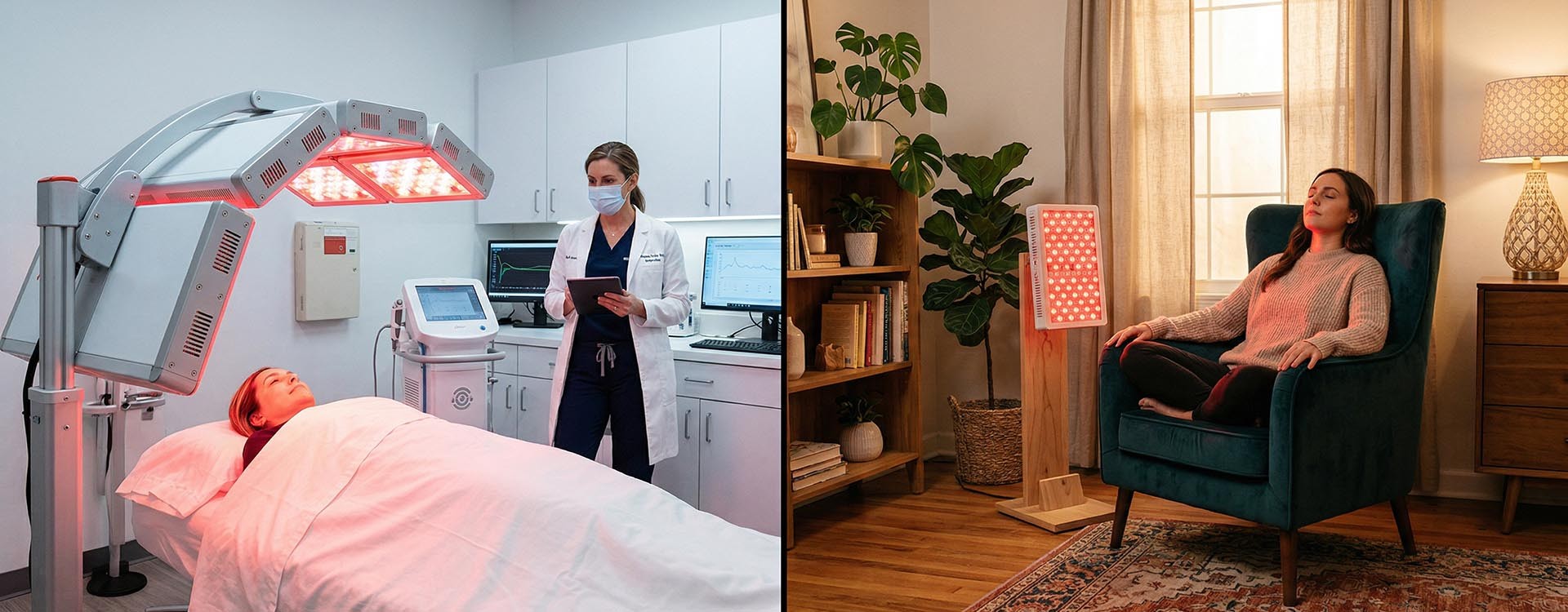
Two Routes to the Same Destination
Red light therapy and photobiomodulation were, until relatively recently, the exclusive domain of medical clinics, physiotherapy practices, and professional sports facilities. The devices were large, expensive, and operated by trained practitioners — which meant that access was limited to those with the financial means and physical proximity to clinical settings. That landscape has changed dramatically. The consumer device market has matured to the point where quality home devices can genuinely replicate the core therapeutic parameters of clinical systems — not in every respect, but in the ways that matter most for the majority of users.
The choice between at-home and clinical red light therapy is no longer a simple question of "professional = better." It is a nuanced decision that depends on your specific health goals, the severity of your condition, the frequency of treatment you require, your budget, and how you prefer to integrate wellness practices into your daily life. This section of the RedLightLux knowledge base helps you make that decision with a clear, honest understanding of what each approach offers and where each is most appropriate.
What Clinical Settings Actually Offer
Clinical red light therapy settings — dermatology clinics, physiotherapy practices, sports medicine facilities, and dedicated photobiomodulation studios — offer several genuine advantages over home use. The devices used in clinical settings are typically calibrated with precision, regularly serviced, and operated by practitioners who can tailor protocols to your specific diagnosis. The irradiance levels available from clinical systems are often (though not always) higher than consumer panels, and the practitioner's expertise in positioning, dosage, and treatment frequency can optimise outcomes for complex conditions.
For specific clinical applications — including the treatment of certain skin conditions under dermatological supervision, post-surgical wound care, or the management of complex neurological conditions — clinical settings provide not just the light therapy itself but the diagnostic oversight, medical integration, and monitoring that home use cannot replicate. If you are managing a serious medical condition, working with a healthcare provider who can supervise your photobiomodulation protocol is genuinely valuable and not something to bypass in pursuit of convenience.
The Case for Home Devices: Frequency, Consistency, and Cost
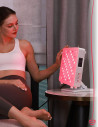
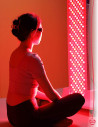
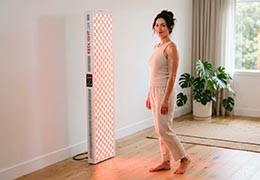
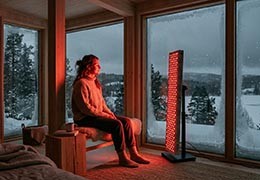
For the vast majority of health and wellness applications — skin rejuvenation, pain management, athletic recovery, sleep improvement, hair growth, and general wellbeing optimisation — home red light therapy devices offer advantages that clinical settings structurally cannot match. The most important of these is frequency of treatment. Clinical photobiomodulation typically involves weekly or twice-weekly sessions, constrained by appointment availability and the practical costs of clinic visits. Home users, by contrast, can treat daily — and in photobiomodulation, as in exercise, frequency and consistency are the primary drivers of results.
The economic comparison is also stark. A quality clinical red light therapy session typically costs €50–€150 per visit. Over the course of a year of three-times-weekly treatment, that represents an investment of €7,800–€23,400. A premium home device — even at €2,000–€3,000 for a high-end full-body panel — pays for itself within weeks by this comparison, while simultaneously allowing daily treatment frequency that clinical attendance cannot match. The ongoing cost advantage of home treatment compounds dramatically over time and across multiple family members who can use the same device.
Power Output, Irradiance, and the Home Device Quality Threshold
The most legitimate criticism of home red light therapy devices is that many consumer products fall short of the irradiance levels demonstrated to be therapeutic in clinical research. This is not an inherent limitation of home devices — it is a quality and specification issue that applies to the lower end of the consumer market. Quality home devices from reputable manufacturers with verified irradiance data can and do deliver therapeutically relevant light doses that are fully comparable to clinical panel systems in their relevant treatment parameters.
The key differentiator is transparency: manufacturers who publish independently verified irradiance data at realistic treatment distances are demonstrating that their devices meet clinical thresholds. Those who rely on vague marketing claims, unspecified wavelengths, or raw LED count as quality indicators should prompt careful scrutiny. When evaluating home devices, apply the same critical criteria you would apply to any medical device: what specific wavelengths does it emit? What is the independently measured irradiance at 10cm and 30cm? What certifications does it carry? These questions are your filter for separating genuinely clinical-grade home devices from decorative light sources with wellness branding.
Building a Hybrid Strategy: Getting the Best of Both Worlds
For many users — particularly those managing specific medical conditions or pursuing the fastest possible results — the optimal approach combines home and clinical therapy rather than choosing exclusively between them. A sensible hybrid strategy might involve an initial clinical assessment and protocol design by a qualified practitioner, followed by daily maintenance and optimisation at home using a quality personal device, with periodic clinical check-ins to assess progress and adjust protocols as needed.
This approach marries the diagnostic expertise and precision of clinical practice with the frequency advantage, convenience, and long-term cost-effectiveness of home treatment. It's how an increasing number of forward-thinking healthcare providers are positioning photobiomodulation in their practices — not as an either/or proposition, but as a complementary relationship between professional oversight and empowered, consistent home self-care. The goal, ultimately, is maximising therapeutic outcomes — and the evidence increasingly supports the conclusion that regular, well-executed home treatment is not a compromise solution, but a genuinely powerful alternative route to those outcomes.