





Shopping Cart
There are no more items in your cart
Search in blog
Blog categories
- Red light therapy: Complete beginner's guide (0)
- Near-Infrared therapy explained (0)
- Red light therapy for skin & anti-aging (7)
- Red light therapy for pain relief (1)
- Muscle recovery & athletic performance (0)
- Red light therapy for hair growth (0)
- Sleep optimization & circadian health (4)
- Full body red light therapy systems (0)
- Red light therapy devices buyer's guide (1)
- Infrared sauna blankets & detox (0)
- Wavelengths & light science (630–850nm) (0)
- At-Home vs clinical light therapy (0)
- Safety, EMF & usage guidelines (3)
- Red Light Therapy for Women's Health (0)
- Red Light Therapy for Men's Health (0)
- Anti-Inflammation & Cellular Health (2)
- Red Light Therapy for Weight Loss & Metabolism (1)
- Face Devices & Skincare Tools (0)
- Portable & Wearable Light Therapy (0)
- Red Light Therapy Protocols & Routines (0)
Latest posts

Red light therapy for liver health
Read more
Red light therapy for liver health is widely discussed and often overstated. This guide separates verified science...

Red light therapy after botox
Read more
Can you use red light therapy after Botox? Most practitioners advise waiting 24–48 hours — and the reason is pressure...

Red light therapy and pregnancy
Read more
Explore what the science really shows about red light therapy and pregnancy — evidence gaps, precautions, safe zones,...

Fda cleared red light therapy devices
Read more
Confused by "FDA cleared," "FDA approved," and "FDA registered" claims on red light therapy devices? This guide...
Red light therapy for bruising
Read more
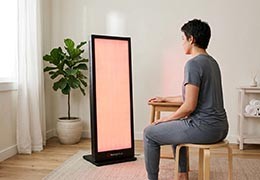
Red light therapy for bruising accelerates haemoglobin clearance, reduces discoloration, and relieves tenderness...
Popular posts

Red light therapy after liposuction
Red light therapy after liposuction accelerates healing using 660nm and 850nm photobiomodulation. Backed by 56 RCTs,...
Read more

Red light therapy for anxiety
Anxiety affects 301 million people globally. Red light therapy for anxiety uses near-infrared photobiomodulation to...
Read more

Led light therapy for wrinkles
LED light therapy for wrinkles is scientifically validated — clinical trials confirm up to 36% wrinkle depth...
Read more

Red light therapy when sick
Can red light therapy help when you're sick? Science says yes. Discover how 660nm and 850nm photobiomodulation...
Read more
Red light therapy for dry skin
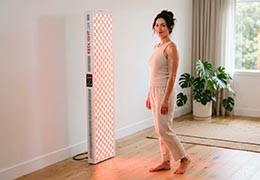
Red light therapy supports dry skin by rebuilding the moisture barrier from within — activating fibroblasts, reducing...
Read more
Photo gallery
No featured images